Retirement living can include mixed rules from health law, lease language, and facility policy.
If your building allows medical cannabis, this guide helps you avoid conflicts before they happen.
Who sets the rules
Two authorities usually overlap:
- Housing management: lease terms, community rules, and visitor access.
- Medical providers: medication interactions, storage standards, and safety recommendations.
For facilities that also provide clinical care, facility-level compliance often adds extra documentation.
What to check before bringing products
- Review your lease for "substances," "noise," and "medication storage."
- Ask for a written policy on CBD/THC possession, transport, and shared space use.
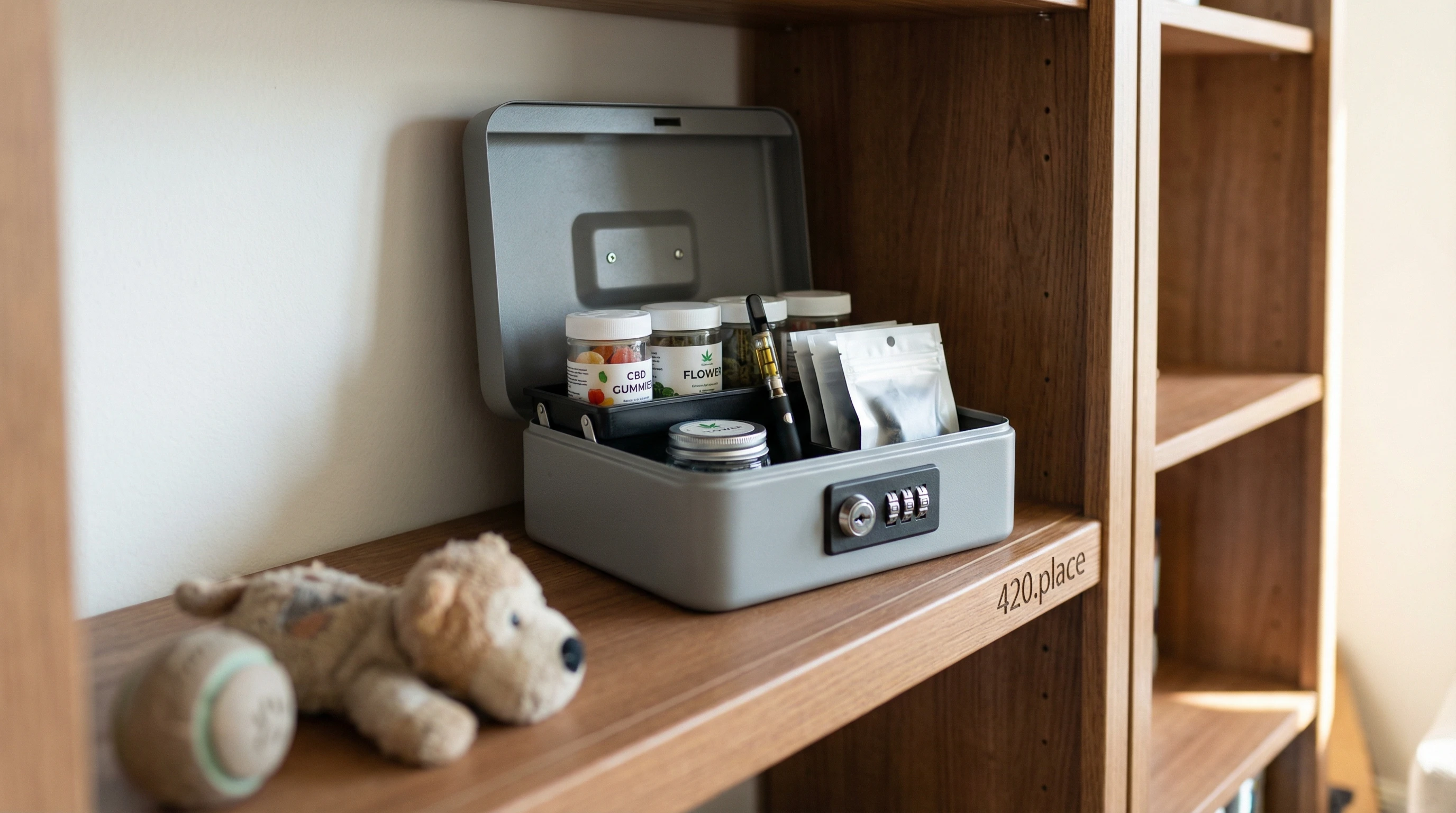
- Confirm where products can be stored privately and whether shared refrigeration is prohibited.
- Clarify staff education level and who to notify in case of concern.
Practical safety habits
- Keep products in childproof containers with clear labels.
- Avoid public areas if effects could be mistaken for intoxication.
- Do not combine with alcohol when attending shared activities.
- Keep a contact plan with medication and emergency numbers.
If conflict appears
Ask for a review meeting with two things in writing:
- policy citation,
- accommodation options that still protect your independence.
A calm, written request often resolves confusion before penalties or sanctions do.
Why this is important
Cannabis can be helpful and still require structured use. The difference between a compliant and risky situation is usually communication and documentation, not just intent.