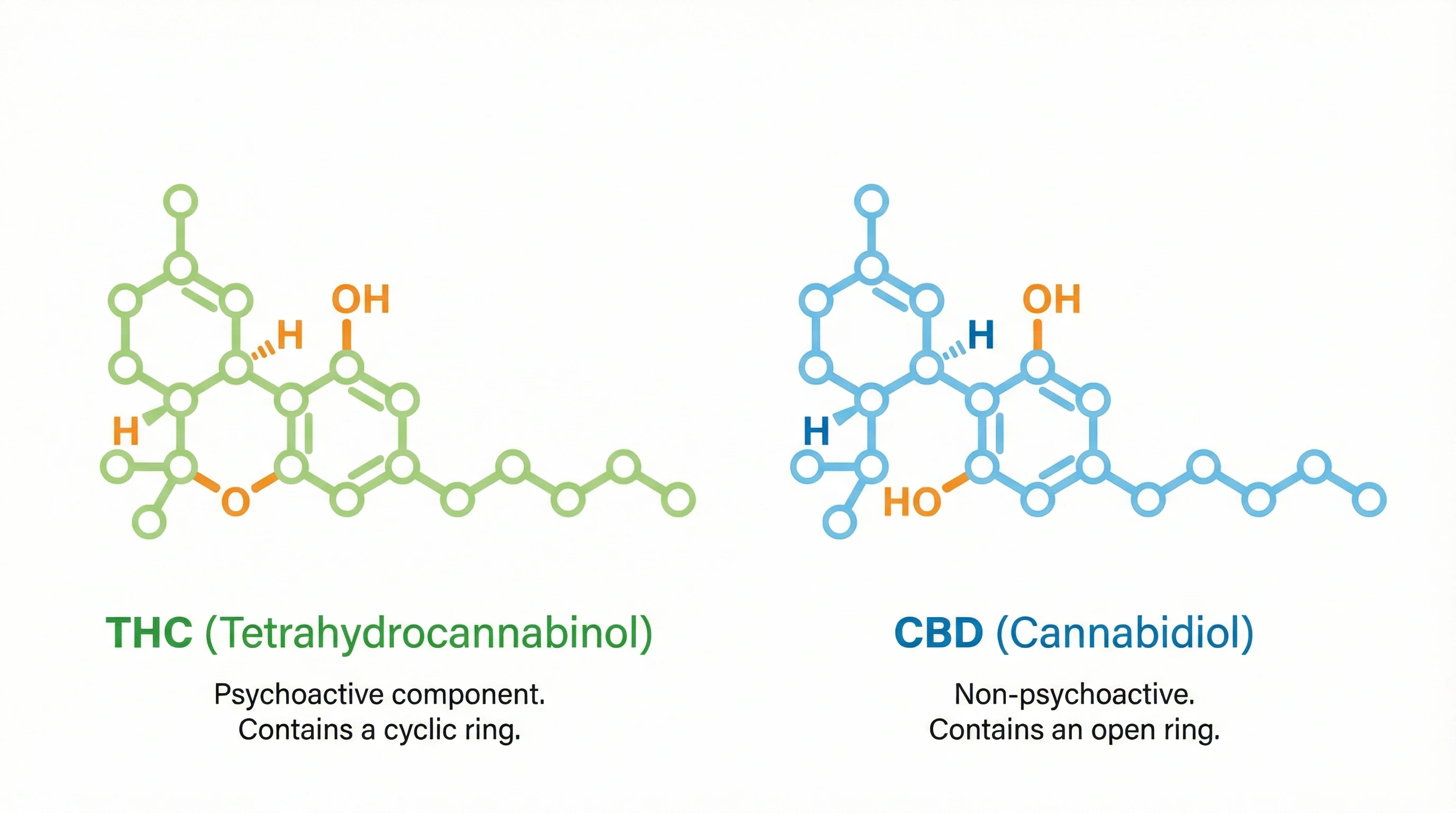
CBD products are often labeled three ways: full-spectrum, broad-spectrum, and isolate. The right choice depends on your goals, medication context, and testing or workplace constraints.
Quick definitions
- Full-spectrum CBD: includes cannabinoid and terpene diversity with naturally occurring compounds and typically trace THC below the legal hemp threshold in compliant hemp products.
- Broad-spectrum CBD: keeps many minor cannabinoids and some profile context but is processed to remove detectable THC.
- CBD isolate: mainly purified CBD, with minimal other cannabinoids.
For adults 50+
The practical split is usually this:
- If you want broad profile diversity and are not constrained by drug tests, start with broad-spectrum or isolate and review COAs.
- If THC-free is a key requirement, verify broad-spectrum labels and still confirm batch testing.
- If you have unpredictable sedation or cognitive sensitivity, work with a clinician on dosing changes first.
What to verify on COAs
Ask for three details on a third-party COA:
- THC concentration and whether it is below reporting threshold,
- whether minor cannabinoids are listed,
- and if cannabinoid values are batch-specific.
Do not use COAs without batch date and lab identity.
A practical starting map
- Medical use or severe medication overlap: prefer lower-risk, clearly labeled isolate when needed.
- Symptom-focused experimentation: begin with broad-spectrum and log outcomes.
- If legal/occupational testing applies: avoid products with any THC detectability risk unless counsel confirms.
Bottom line
The "best" format changes by person. Label language is one part; testing and tracking outcomes are the only reliable parts.