Cannabis Anxiety Disorder 2026: How to Separate Symptom Relief from Symptom Risk
If you use cannabis for anxiety and wonder whether it is helping or pushing you into trouble, this question is urgent. A useful rule is to separate symptom timing from symptom pattern.
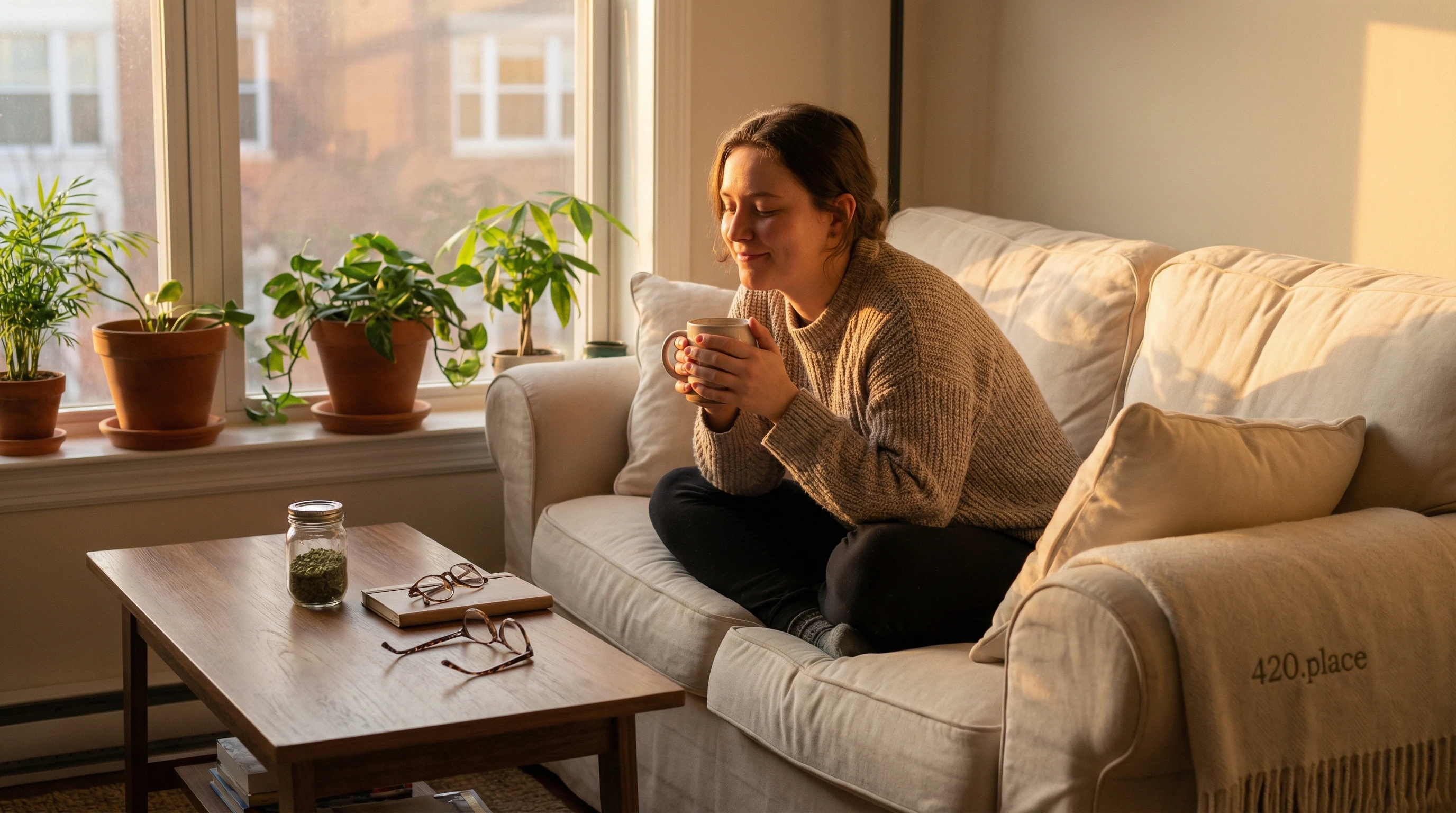
What anxiety disorder means in practice
An anxiety disorder is more than one-off stress. It includes recurrent anxiety that disrupts sleep, work, relationships, or safety.
When cannabis is part of that pattern, the effect can be mixed: some people feel calmer first, then rebound anxious hours later.
That does not prove cannabis is always unsafe.
What the evidence says across anxiety and mood conditions
Peer-reviewed evidence is not simple. A 2025 systematic review found possible benefit in some anxiety outcomes, but it also reported that study quality was mixed and many trials had limits.
A broader longitudinal evidence synthesis linked heavier cannabis use to worse anxiety and mood outcomes over time in many cohorts, including increased symptom persistence in vulnerable users.
The practical implication is not "never use"; it is use only with strict risk controls and monitoring.
Why anxiety can worsen with cannabis
1) THC profile and dose
Higher THC and lower CBD products are more likely to produce fear, paranoia, or agitation in sensitive users.
2) Timing and re-dosing
Edibles are delayed, and re-dosing early can stack effects into late anxiety waves.
3) Sleep debt and stress context
Cannabis taken in high stress, poor sleep, caffeine-heavy, or alcohol-coupled settings is more likely to trigger panic-like spikes.
4) Existing anxiety disorder history
A prior anxiety or trauma background is a known risk amplifier, especially for frequent high-dose users.
A safe decision framework
If you do not have a formal diagnosis
- Track baseline anxiety severity for 7-14 days before use. 2. Record dose, route, THC:CBD estimate, and sleep timing. 3. Use low-dose testing only, one change per session. 4. Stop and reassess if anxiety, tremor, or racing thoughts rise after 2-3 episodes.
If anxiety symptoms are frequent or you already carry a diagnosis
- Ask a clinician before adding or increasing cannabis. 2. Use one conservative dose rule: one route, one dose, one re-dose cap at 6 hours minimum. 3. Keep a symptom log with: intensity, sleep, appetite, and function at work/home. 4. Pause use after panic, severe irritability, or withdrawal-like rebound.
If you cannot hold to these steps, reduce and pause use.
Red-flag triggers for urgent help
- Chest pain, fainting, severe confusion
- Hallucinations, loss of reality testing, aggressive behavior
- Self-harm thoughts or thoughts of harming others
If any appear, seek immediate medical care.
Medication, withdrawal, and risk stacking
Do not combine cannabis with new sedatives, opioids, or high alcohol exposure without clinician review.
Many users with anxiety disorders also take SSRIs or sleep medicines; cannabis effects can shift those interactions, especially with variable doses and irregular schedules.
If sleep drops, appetite spikes badly, or mood crash returns quickly, the safer rule is to reduce THC exposure first and review clinician support.
US, Canada, Germany context
United States
US resources emphasize that anxiety effects are dose and vulnerability dependent, and that heavy or frequent use is associated with higher anxiety-related harms in some cohorts. The same point appears in general medical overviews and federal research materials: avoid assuming one-time relief equals long-term stability.
Canada
Health Canada's mental health page for cannabis reports that frequent or near-daily use can increase anxiety and depression risk, while dependence risk also rises with repeated exposure. The practical action in Canada is prevention-first tracking and medical follow-up rather than trial-and-error escalation.
Germany
German medicine policy supports clinically supervised use pathways and medical prescribing control. For people with anxiety disorders, that means safer follow-up and structured review are not optional; they are the model that reduces misuse and avoids avoidable crises.
Related legal and health anchors
- Cannabis and Anxiety - same practical risk scoring, lower-intensity framing
- Cannabis and Depression in 2026 - overlap patterns with depression
- Cannabis Anxiety Attacks - immediate stabilization sequence
- Cannabis Overdose Facts - severe-symptom escalation rules
- Cannabis at Work - impairment and policy check for work settings
FAQ
Can cannabis help anxiety without creating a disorder pattern?
Yes, temporarily for some users. If anxiety and function are stable across multiple weeks, risk is lower than when symptoms rise after each use.
If I had anxiety before using cannabis, is cannabis safe?
Some people can use carefully, but pre-existing anxiety is a risk amplifier. Track objective data for at least 2 weeks before continuing.
What is the minimum evidence standard for me to continue?
Use a repeatable log, a fixed low-dose cap, and no red-flag symptoms. Stop escalation if panic, depressed mood, or poor sleep keeps returning.
When is panic not just anxiety?
Suicidal thoughts, hallucinations, severe paranoia, or disorientation are emergency symptoms and require urgent care.