Planning a road trip and wondering whether cannabis is legal where you are going?
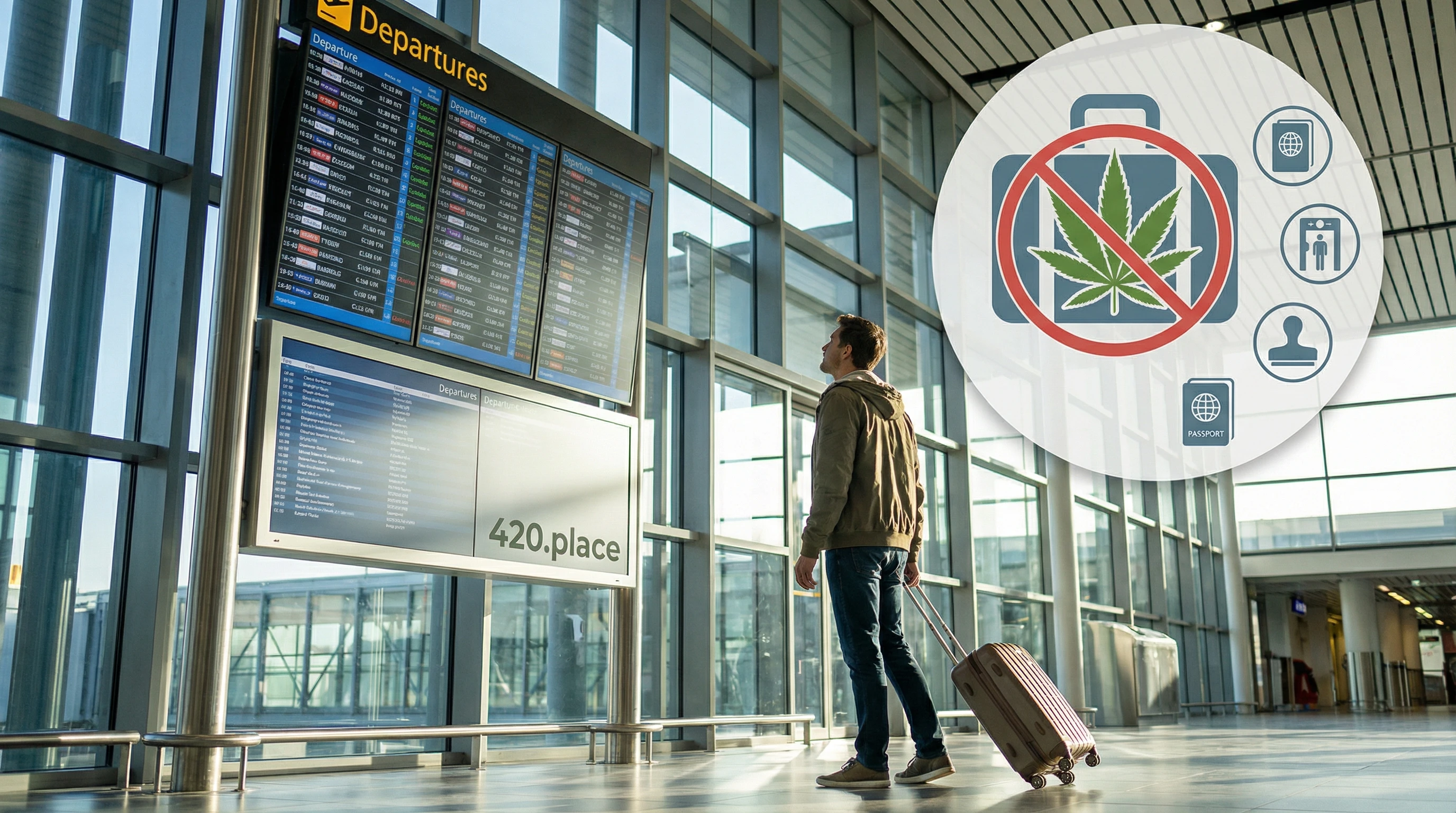
Current federal baseline (reviewed June 18, 2026): DOJ/DEA made a narrow Schedule III change effective April 28, 2026 for FDA-approved marijuana products and products subject to qualifying state-issued medical marijuana licenses. Marijuana outside that lane remains Schedule I under federal law. Airports, federal property, interstate travel, and international travel still create federal-law risk.
State counts: NCSL's latest state summary reports 24 states, three territories, and Washington, D.C. allow or regulate non-medical adult use, and 41 states, three territories, and Washington, D.C. allow medical cannabis products. NCSL separately tracks seven low-THC / high-CBD states that are not counted as comprehensive medical programs.
Why this matters now: After 50, many people use cannabis for pain, sleep, or anxiety symptoms, but state permission does not travel with you. Check your origin, destination, airport, housing, workplace, and medical documentation before carrying anything.
Where Recreational Marijuana Is Fully Legal
NCSL remains the preferred current-state reference for adult-use counts and state policy categories. Treat any fixed list of states as a snapshot, then verify the exact purchase, possession, home-grow, public-use, and local rules on the official state portal before acting.
Medical cannabis is tracked separately from adult-use legalization. NCSL reports 41 state medical programs plus seven low-THC / high-CBD-only state pathways in limited situations.
The One Rule That Trips Everyone Up
Myth buster: ""If both states are legal, I'm fine."" Not true. Federal law governs interstate travel, making transport illegal regardless of state laws.
What This Means for You
If you're visiting a legal state: Purchase and consume there; leave it behind when you go home. Most dispensaries welcome tourists and staff can explain local possession limits.
Driving through states: Keep cannabis sealed in the trunk if legal in your state. Never drive impaired--DUI laws apply everywhere.
Flying: While rare, TSA discoveries can lead to missed flights or fines. The safest choice? Don't fly with it.
Smart Moves This Week
If you're traveling, research your destination's dispensary rules--many have online menus. Most importantly, enjoy the freedom where it exists, but respect the boundaries. You're already ahead by knowing the facts.
Related Reading
- Medical Card Guide - Get legal access
- Florida Guide - FL specific
- New York Guide - NY specific
- Flying with Edibles - Travel rules
Operator source checklist
For "What States Have Legalized Marijuana in 2026? Your Travel-Safe Guide", verify each material claim, record its jurisdiction and effective date, and escalate legal, medical, medication, impairment, or dosing questions before discovery.