Terpenes and why they matter
If labels mention terpenes, they usually mean aromatic compounds found in cannabis products. For adults over 50, the useful question is simple: what is likely to change my experience in a predictable way and what is still unknown?
What terpenes are
Terpenes are organic compounds found across plants, not only cannabis. They can influence flavor, aroma, and how users describe effects.
For practical use, we focus on what consumers can observe:
- production batch,
- terpene profile,
- serving size,
- cannabinoid ratio.
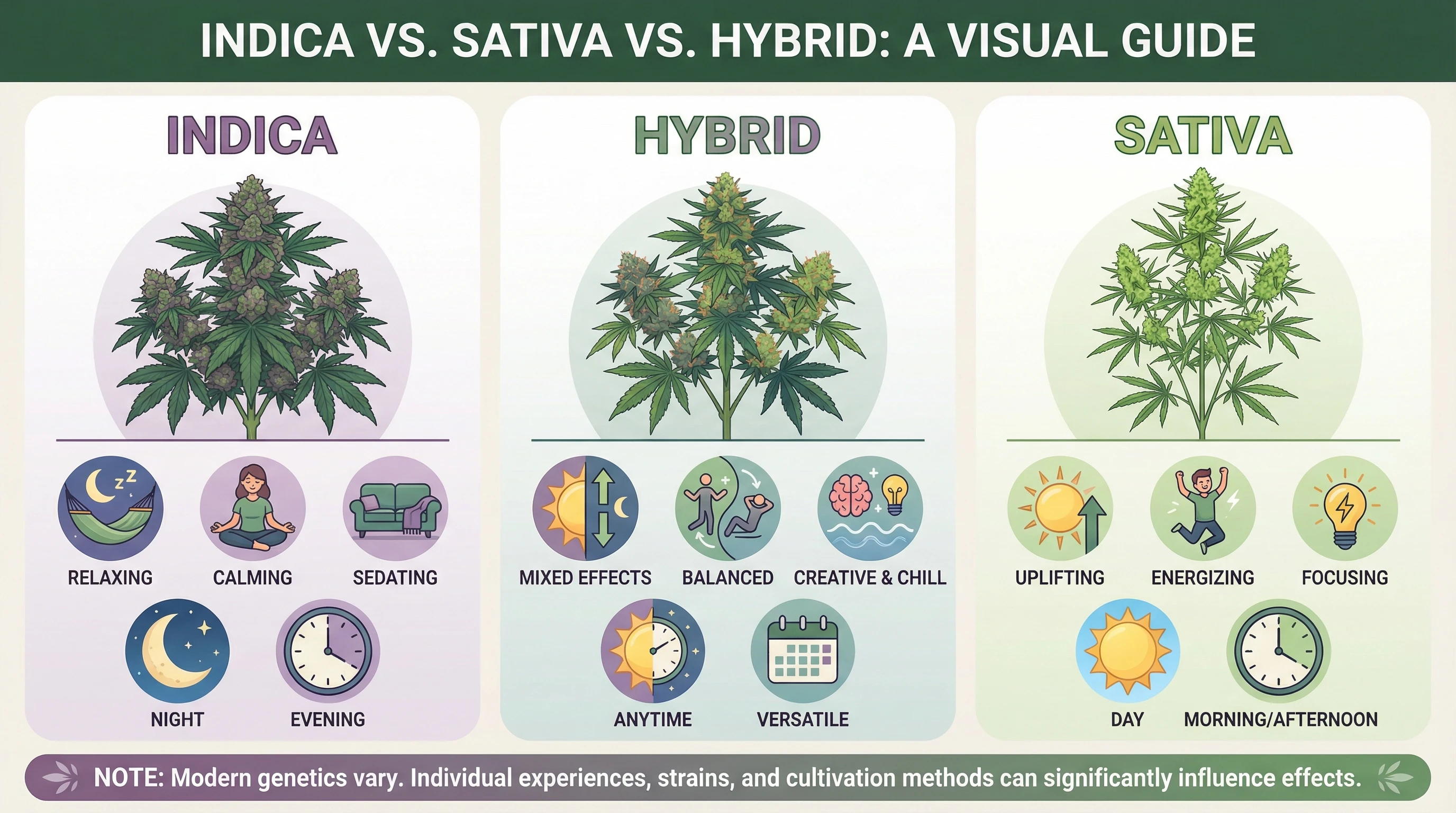
Common cannabis terpenes and common effect language
- Myrcene: often described as calming or sedating
- Limonene: often linked to lighter, brighter or uplifting tones
- Linalool: often linked to soothing, floral notes
- Pinene: often linked to perceived clarity in some reports
These patterns are not legal guarantees. They are guides to help you compare products and track outcomes.
Why smell is not destiny
A key misconception is that smell alone predicts outcome. Clinical research and product testing are still catching up on how terpene mix interacts with cannabinoids for every body.
For adults 50+, this matters most because metabolic changes, hydration, sleep, and medications can all change the actual effect.
How to use terpene data
Use terpene data only as one checkpoint:
- Start with a small dose.
- Compare one variable at a time.
- Use a log for effect, sleep, anxiety, and pain response.
- Keep the clinician informed if your treatment plan includes cannabis.
If outcomes are inconsistent, focus on dose and route first, then terpene profile.
Practical checklist
- Ask for COA with terpene values.
- Ask if values are from actual batch testing.
- Track both effects and side effects, especially with cardiovascular or cognitive medication overlap.
Remember: the better the testing context, the better your real-world decision-making.