Cannabis and Cardiovascular Medication Interactions 2026: Practical Safety Framework
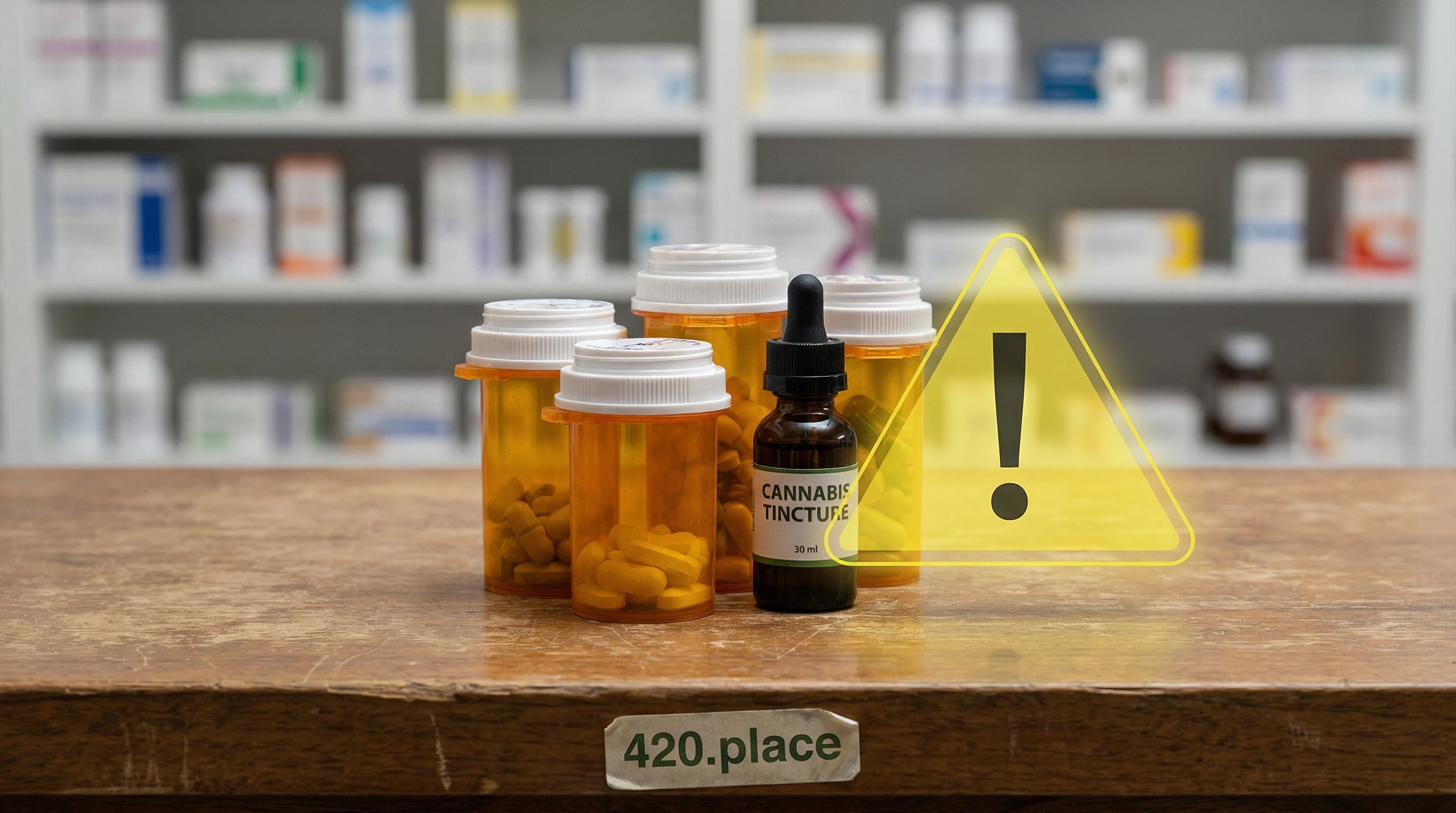
If you are using cannabis and have heart disease risk, a blood thinner, or heart-related medication, risk is not only about the product itself. It is about three interacting factors:
- cardiovascular physiology,
- medication pathway,
- timing and route of use.
This guide is for practical decision-making.
What the strongest evidence says right now
A large retrospective cohort study cited by NIH found significant associations between more frequent cannabis smoking and higher odds of heart attack and stroke.
- Daily cannabis smoking showed materially higher risk signals than non-use.
- Weekly users still showed elevated risk in analysis sets.
- The signal was still visible in models that controlled for tobacco use, body composition, diabetes, and activity.
At the ACC press-release level, a 2025 analysis update to conference-era data reported substantially higher heart attack risk signals in cannabis users, including elevated acute cardiovascular event risks in younger adults.
These findings are not final proof of causality in all settings, but they are strong enough for a conservative safety posture.
Why this is not the same as a generic "stay away from cannabis" message
Cannabis harm is highly pathway-dependent. The same person may tolerate one route poorly and another less so. Clinical consequences depend on:
- baseline cardiac risk,
- route (smoked/vaped/oral/sublingual),
- product strength,
- dose spacing,
- concurrent stimulant, alcohol, or sedative use,
- co-morbidities and medicines.
The first practical distinction is this: smoked or rapidly absorbed routes can produce faster cardiovascular load than many oral profiles.
How cannabis interacts with the heart physiologically
Observed mechanisms include:
- Sympathetic activation and tachycardia (higher pulse and oxygen demand),
- Transient blood pressure volatility (including orthostatic symptoms),
- Arrhythmia tendency signals in some cohorts,
- Endothelial stress pathways related to vascular tone and inflammation.
For many users the effect is mild and transient. For vulnerable users, the same transient pattern can tip into dangerous territory.
Medication interaction risks that deserve urgent review
This section is where the highest practical risk lives.
1) Blood thinners and anticoagulants
Published clinical evidence and case-based pharmacovigilance suggest cannabis exposure can alter anticoagulation context in some people.
- Warfarin interaction risk appears repeatedly in case-based literature when THC/CBD exposure changes dose-response assumptions.
- INR shifts have been observed in people who were previously stable on warfarin and then changed cannabis use patterns.
This is not a universal finding for everyone, but it is a high-impact edge case that must be managed with clinician oversight.
2) Antiplatelet therapy (clopidogrel pathway)
Systematic and mechanistic reviews describe possible interaction pathways where cannabinoids and co-administered drugs share CYP-mediated pathways, including CYP2C19, CYP3A4, and CYP2C9 concerns.
In practice:
- reduced antiplatelet conversion could weaken intended platelet prevention,
- altered anticoagulation effects can raise bleeding risk if pathways go the other direction.
For patients on recent stent care, acute coronary syndrome regimens, or cerebrovascular prevention, this uncertainty argues for closer coordination, not independent adjustment.
3) Cardiovascular symptom medicines and sedating medicines
Even when a direct contraindication is not clear, combined adverse effect burden can increase:
- lower alertness,
- dizziness and orthostatic symptoms,
- slowed reaction and confusion,
- impaired decision-making in late-night settings.
This matters because cannabis may mask symptom onset, especially when blood pressure is already unstable.
Route and schedule map for users with heart risk
The same user profile has very different risk exposure by route.
Smoked/vaped route
- fastest physiological onset,
- greatest pulse spikes in many users,
- highest carbon-inhalation burden in smoked form.
Oral route (gummies, capsules, prepared extracts)
- delayed onset and longer duration,
- higher chance of delayed redosing when symptoms are not tracked,
- prolonged exposure windows for vulnerable users.
Oral/sublingual lower-dose route
- slower onset than inhalation,
- still requires explicit dose spacing,
- useful only with preplanned logs and strict stop rules.
A practical pre-use checklist before continuing
Use this as a clinician-ready script:
- Review your full medication list, including over-the-counter sleep aids and herbal products. 2. Confirm your baseline blood pressure, pulse pattern, and rhythm history are documented for your prescriber. 3. If on warfarin, clopidogrel, direct oral anticoagulants, or anti-arrhythmics, ask whether cannabis route and potency require temporary monitoring changes. 4. 5. Use a written session record: timestamp, route, product amount, first signs, and symptom progression at 30, 60, and 120 minutes. 6. If any cardiac symptom appears, stop use and escalate clinically.
Red-flag action protocol
Call emergency services now if any person has:
- chest pain,
- new irregular fast heartbeats,
- severe shortness of breath,
- one-sided weakness,
- confusion or weakness after use.
Do not "ride it out" at home if chest pain or neurologic warning signs appear.
Canada and clinical continuity lens
Health Canada's clinical guidance for medical use emphasizes that clinician oversight is essential when users have interacting medications or heart/liver disease.
When care crosses jurisdictions, carry a one-page medication and product log so each clinician can interpret timing, route, and dose context quickly.
Why people misunderstand this risk profile
Three patterns repeat across the highest-risk incidents:
- assuming cannabis risk is identical to alcohol or nicotine risk,
- assuming no interaction exists without blood tests,
- escalating dose after delayed onset instead of waiting.
Those three patterns are preventable with routine spacing rules.
Related content
- Cannabis and Cardiovascular Risk 2026 Overview
- Cannabis Drug Interactions and Medications (50+)
- Cannabis Card Overview
- How to Get a Medical Marijuana Card in Utah in 2026
- Cannabis Laws in Germany 2026
FAQ
Can people with heart disease still use cannabis?
Some may be able to use cannabis safely with clinician-directed control. This is not universal. The decision depends on route, dose, rhythm history, and medication profile.
Is oral cannabis safer for heart risk?
Oral routes may reduce immediate smoke-related pulmonary burden, but they do not eliminate cardiovascular or interaction risk. Delayed onset creates additional dosing risk.
Should people on blood thinners stop cannabis immediately?
Not always. But they should not make changes without coordinated clinical review because abrupt discontinuation can also destabilize routines if there is a use pattern already established.
What should trigger urgent care?
Chest pain, severe palpitations, neurologic signs, syncope, or persistent breathlessness require urgent evaluation.
Sources
NIH: Smoking cannabis associated with increased risk of heart attack and stroke -- large observational study framing frequency-related risk in adults.
ACC press coverage (2026) -- summary of elevated acute coronary event risk signals from large cohort analysis and meta-analysis context. Link
PubMed: The potential for pharmacokinetic interactions between cannabis and anticoagulant/antiplatelet pathways. Link
PubMed: Review of anticoagulant and antiplatelet interactions with cannabis and cannabinoid use. Link
PubMed: Case report on warfarin and inhaled/oral cannabis (probable INR interaction). Link
Health Canada: Cannabis for medical purposes and clinician-guided use, including medication interaction warnings and cardiac caution. Link
Frontiers in Cardiovascular Medicine review of perioperative cardiovascular outcomes and medication interaction considerations in cannabis users. Link
This article is educational and not a substitute for emergency care. Cardiac symptoms should be assessed by emergency services immediately.