How to Get a Medical Marijuana Card in Utah in 2026
If you searched for "cannabis card Utah," the best first step is to understand the exact flow.
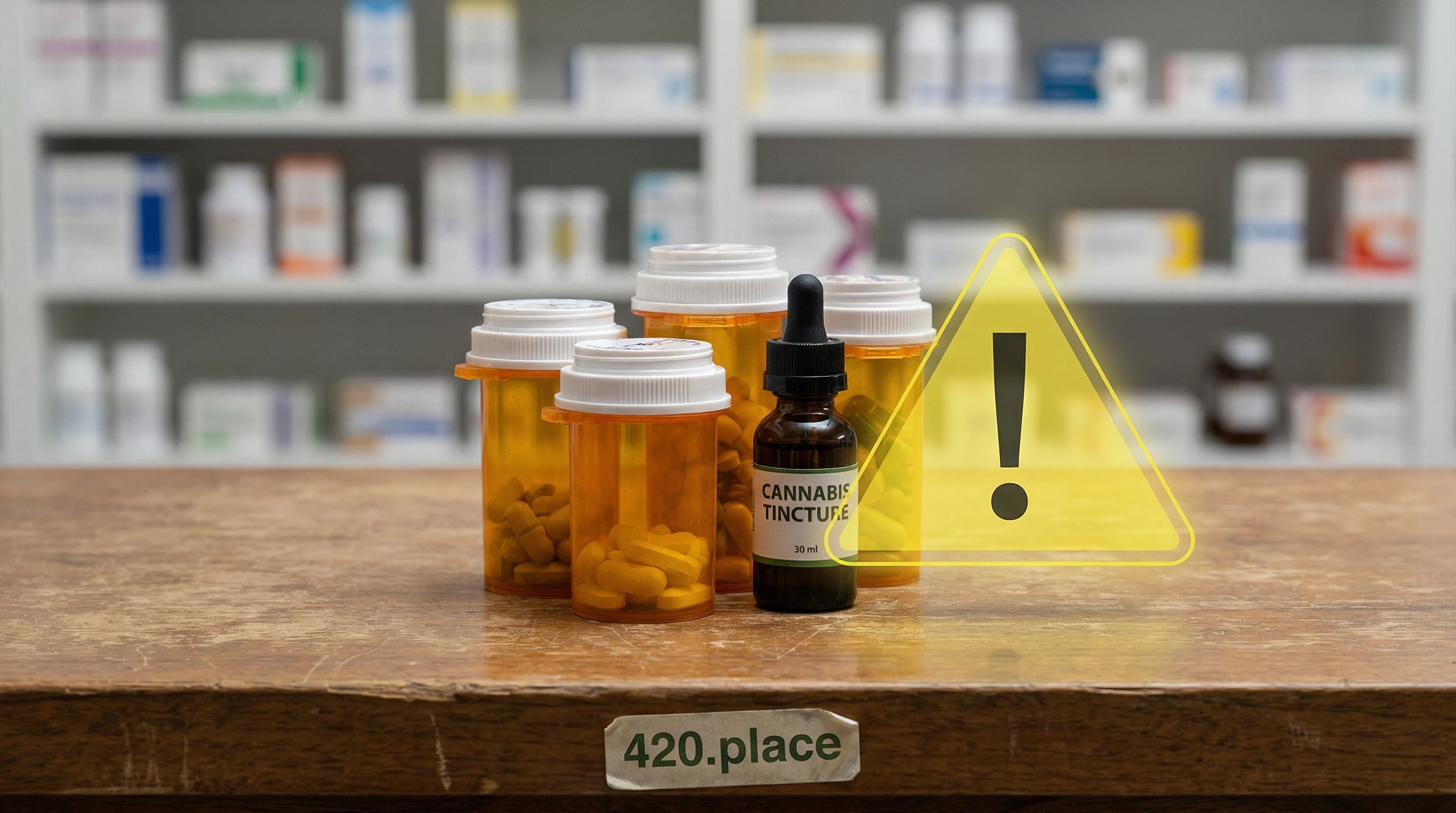
Utah uses an electronic verification approach that ties together provider certification, patient registration, and pharmacy purchase.
Who can apply for a Utah medical card
Utah patients are adults 18 years and older.
Under Utah rules, qualifying patients must follow one of two routes:
- a provider recommends them after clinical review, or
- a Compassionate Use Board (CUB) petition route for cases without a qualifying condition and patients younger than 21.
Step-by-step Utah workflow
1) Meet with a recommending medical provider first
Utah requires a recommending medical provider (RMP) to support the application.
RMPs are typically:
- MDs and DOs,
- APRNs,
- PAs,
- podiatrists.
For your initial certification visit, Utah guidance states the provider visit is in person first; follow-up and renewals may allow telehealth.
2) Create an EVS account with UtahID
You then create an account in the Utah Electronic Verification System (EVS).
A valid UtahID is required to continue through application and renewal.
3) Submit certification and pay the card fee
After provider certification is entered, the patient portal shows the next steps.
You then submit the application details and pay the state card fee through the EVS workflow.
4) Download your card and keep required docs ready
Utah asks patients to show a valid card and photo ID for pharmacy purchase.
Do all of these before your first purchase:
- card in hand (digital or printable),
- photo ID,
- pharmacy meeting completed.
5) Meet a medical cannabis pharmacist before first purchase
Utah's process includes a pharmacist consultation before first buy.
After that consultation, you may buy from a licensed medical cannabis pharmacy or request delivery.
Timeline and renewal expectations
The standard Utah card duration is up to one year, though a provider can choose a shorter date.
For renewals, Utah's own workflow says you:
- start from the same EVS account,
- submit a renewal application,
- get a new provider certification if still needed,
- pay renewal fee,
- download renewed card from EVS.
The portal sends renewal instructions in advance, and users should not wait until the last day.
Common Utah-specific mistakes to avoid
1) Reusing old application paths
Renewals often require updated provider details and current recommendation data.
2) Treating provider meeting as optional
If a patient skips clinician review requirements, EVS submission stalls.
3) Not preparing UtahID first
Most account errors happen before payment starts and look like unrelated delays.
4) Missing residency category changes
Residents and non-residents follow different logic, including different card windows for non-resident purchases.
Utah non-resident card details
Utah supports non-resident cards for travel patients.
A non-resident card is short term and tied to a home-state qualifying condition pathway.
Travelers should not assume reciprocity; a Utah non-resident card does not replace their home-country process or a prescription model in another country.
U.S. medical card model vs Canada and Germany
For users comparing countries:
- Utah: medical cannabis is managed through the EVS + licensed pharmacy distribution model.
- Canada: access is linked to federally recognized medical framework with patient authorization pathways that differ significantly.
- Germany: access is prescription-led with controlled medical channels.
Related reading
- Can't use one card everywhere
- Florida Orlando card workflow
- Medical card renewal planning
- How to get a medical card online (general flow)
- General medical cannabis comparison map
- Where to buy with a U.S. medical card
FAQ
Can I apply for a Utah card without an in-person provider visit?
For the initial certification, Utah guidance expects in-person first; follow-ups and renewals can be done by telehealth in some cases.
How long does a Utah card last?
The standard duration is one year unless the provider selects a shorter date.
Do non-residents get a Utah card?
Yes, if they meet non-resident category rules and qualifying condition requirements.
Can I use an old Utah card in Canada or Germany?
No. Those systems have separate legal authority and documentation structures.
What happens if my renewal is late?
Renewal is not fully automatic for every case; delayed renewal can create access gaps in pharmacy purchases.