If your first thought is "can I do this online," the better question is:
which portal, which clinician model, and which legal route is valid in your place?
That is the gap that creates delays.
Why one online flow does not fit all countries
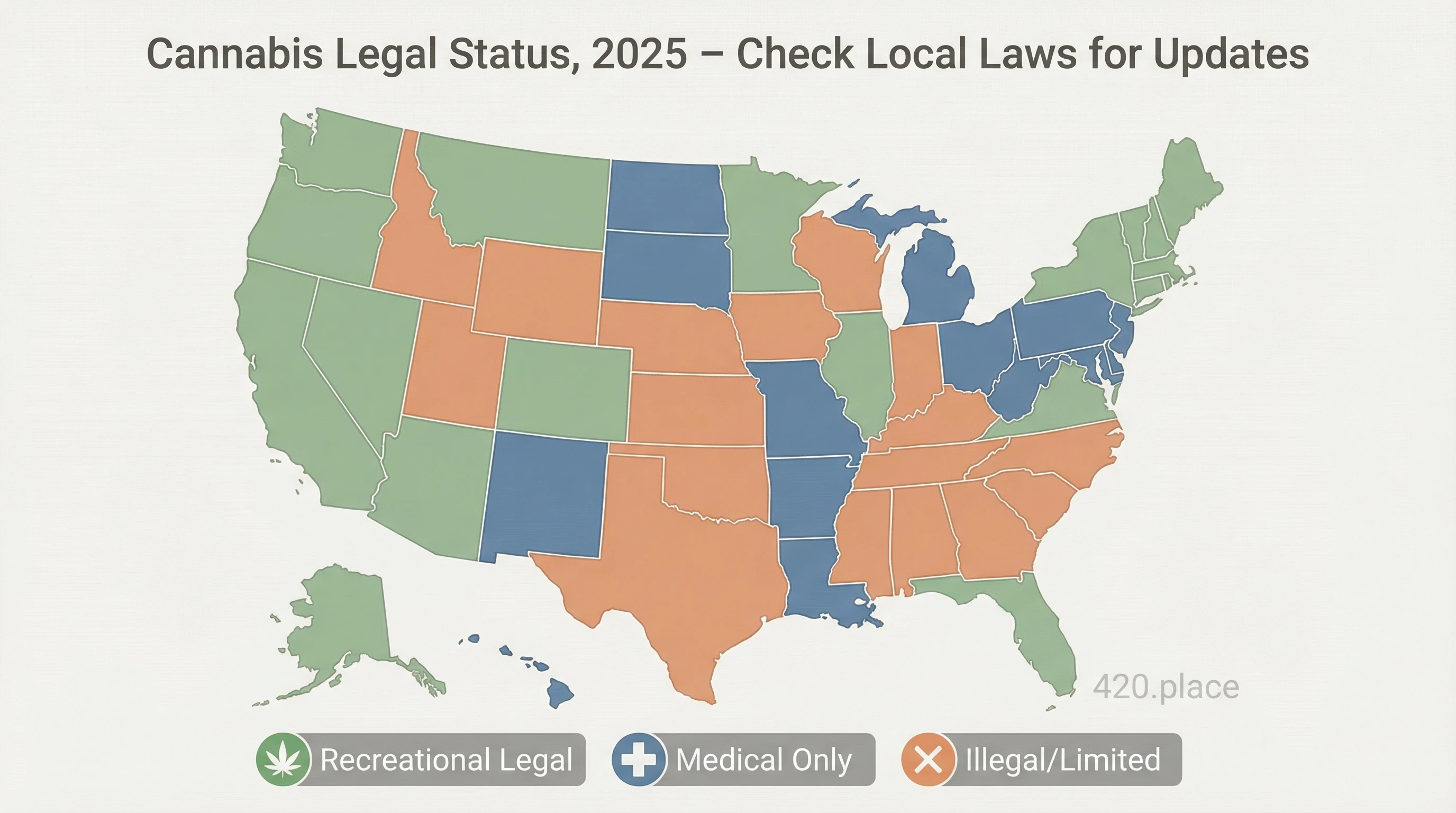
The U.S. mostly uses state-by-state systems. In 2026, many programs still require state-specific registration, a clinician authorization, and periodic renewal logic.
Canada uses federal pathways tied to medical authorization documents and supplier access routes. The process is often documented online, but the eligibility framing is different from U.S. state cards.
Germany's system is prescription-led and does not usually map to a standard U.S.-style card model.
Because the legal structure changes by country, every claim in this guide is about process, not legal equivalence.
A safe online application workflow
1) Confirm eligibility and rules
2) Build a clean document folder
Before you open a portal, prepare:
- photo ID and proof of residency,
- clinician note or consultation record,
- condition note and current medication list,
- dosage notes and prior medical history.
3) Match the exact form model
Many failed submissions fail here.
Some forms ask for a state-level pathway. Others ask for treatment documents for controlled prescribing. Some portals require secure re-upload before review.
4) Submit once, then monitor clearly
Treat the first submission as your primary attempt. Keep:
- case number,
- submission timestamp,
- required follow-up list,
- reminder date for review windows.
Online submission mistakes that cost time
- sending incomplete clinical documentation,
- using a template from a different state,
- skipping ID or residence checks,
- changing jurisdiction midway through a review,
- sharing outdated screenshots instead of requested forms,
- mixing countries in one query.
If you cannot fix every item, pause and prepare a corrected packet before hitting submit again.
What is different by region
United States
State systems are often portal-first, but still depend on state law details and local clinic approvals. This is where eligibility logic varies most.
Canada
Health Canada-based pathways still rely on authorized medical documentation and linked access routes to licensed producers.
Germany
Medical access is tied to prescription authority and pharmacy distribution.
Ready-to-use checklist
- confirm the right country and program,
- confirm required clinician format,
- confirm accepted document type,
- confirm renewal triggers,
- confirm support channel before starting a long upload.