If you search for "cannabis card," you usually expect one answer. In 2026, the bigger problem is that each jurisdiction uses a different legal model. Ask for "a card" in one country and you may get a medical document, in another country you may get a standard prescription path, and in the U.S. you may face 50 different state pathways.
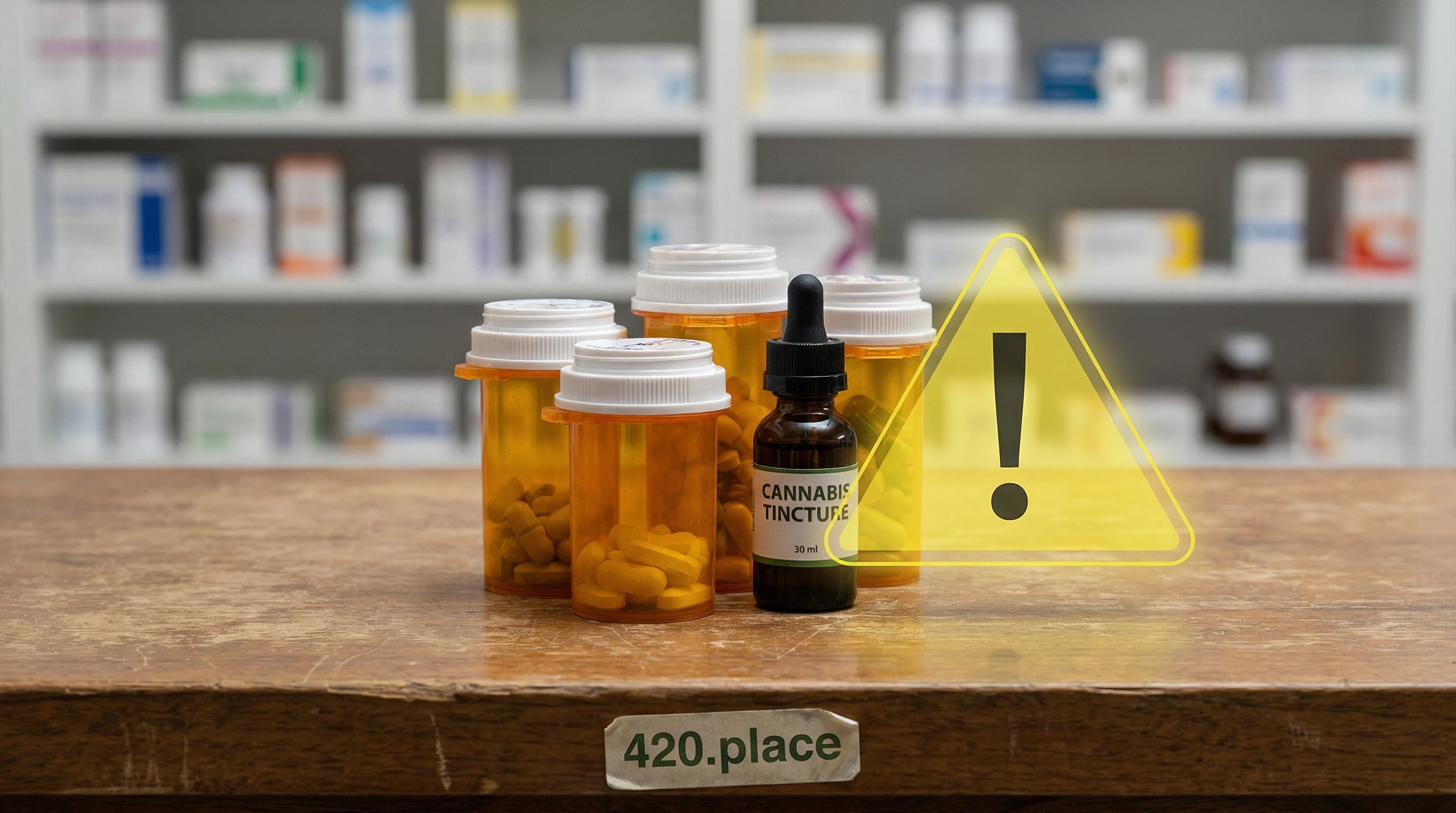
Why this happens
Cannabis access is not centralized globally. Federal law, medical systems, and insurance rules are built differently. That means terminology varies, and so do proof requirements at pharmacies, clinics, or checkpoints.
United States: state programs and no federal medical card
The U.S. federal scheduling framework still lists marijuana (cannabis) as Schedule I, so medical access is governed almost entirely by state programs rather than a national patient card. The DEA page explains how the Schedule I definition is used at the federal level and notes that state systems can authorize access.
At the state level, legal structures are uneven. NCSL reports that medical laws can differ by state and that many states run separate patient, product, and registry models. Because this changes, the practical rule is: never assume one card works in every U.S. state.
If you are in the U.S., start by confirming your own state's official patient pathway and required documents before spending money on clinics or subscriptions.
Canada: medical document + authorized access routes
Canada does not use one uniform "cannabis card" model in the same way many U.S. states do. Health Canada uses clinician authorization through a medical document and then supports multiple access routes:
- purchase from a federally licensed seller,
- register for personal production,
- or designate a producer.
A clinician-authorized daily amount affects how much can be possessed or produced; Health Canada publishes data and guidance for authorized medical patients and tracks daily amounts over time. In practical terms, your treatment authorization amount and route matter more than a card title.
Canadian users should also expect explicit possession documentation if needed in public. In addition, if you are a designated producer user, proof and limits are handled through the registration path set by Health Canada.
Germany: prescription-first model
Germany routes medical cannabis through its prescription system. BfArM guidance indicates that cannabis products are prescribed as medicine and explains who may prescribe them, with most physicians able to prescribe according to their scope of practice.
BfArM is clear that this is a regulated prescribing system rather than a retail "card" model. Practical implication: when in Germany, carry the correct clinical and prescription documentation, not U.S.-style card language.
Which system is right for you? Use this filter:
- If you need quick access to clinical authorization, go clinician-first in your country first.
- If you travel or move countries, treat authorization as non-transferable unless a source confirms it.
- If product form, dose, or daily amount matters, match your local route first, then compare legal carry and storage limits.
What to do next
- Confirm the current rule set in your country/state before your next appointment. 2. Ask for one written authorization document with date, valid amount, and clinician details. 3. Confirm legal transport and possession language in your destination or destination state. 4. Ask your clinician to review interactions and liver/kidney/heart risk before starting treatment.