How to Renew a Medical Marijuana Card in 2026: Workflow + Failure Prevention
If you are already using a medical cannabis card, renewal is the issue most people underestimate.
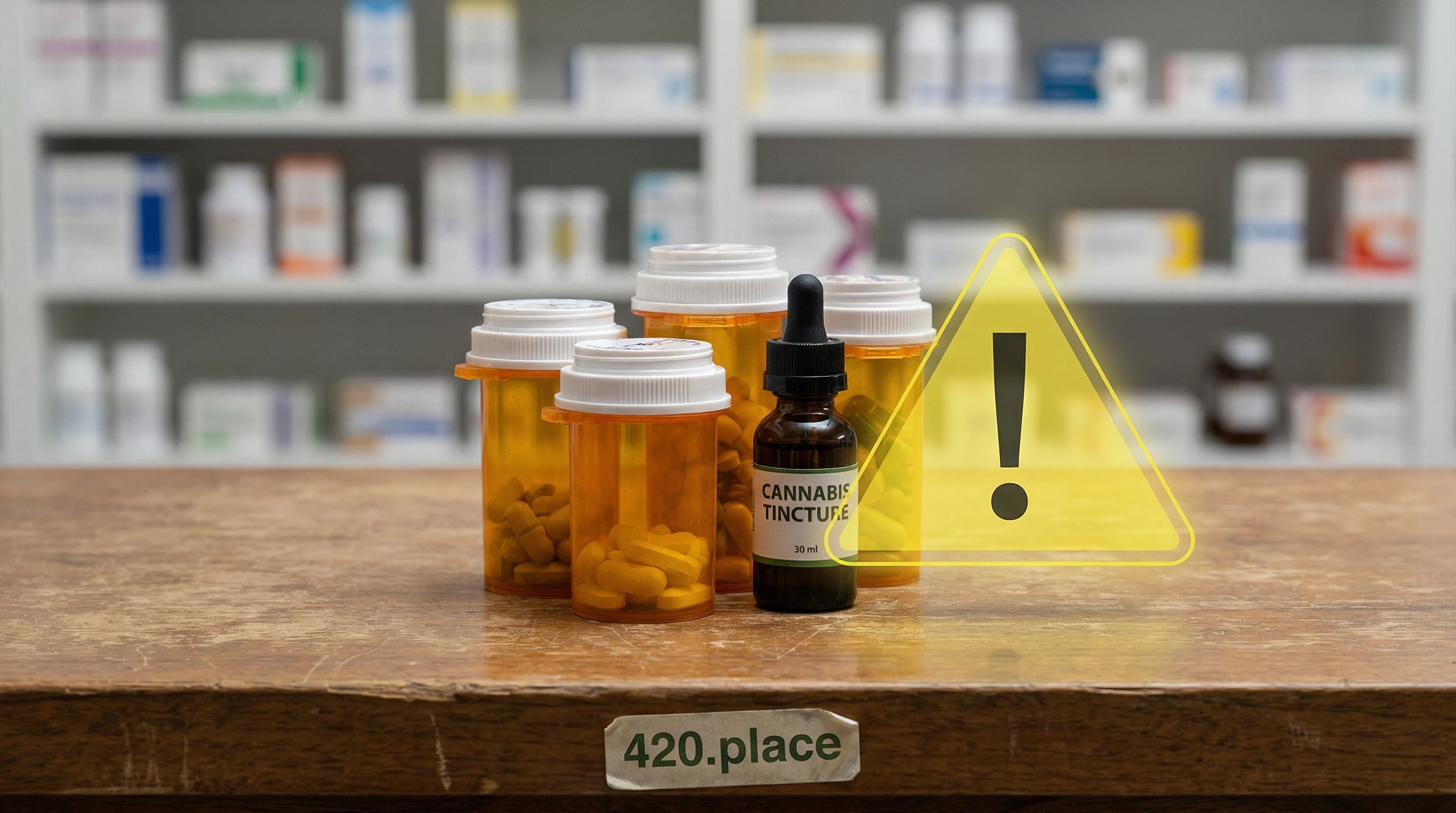
When renewal fails, users usually report the same pattern: valid treatment, valid clinician support, but incomplete paperwork or missed timing.
This guide focuses on what blocks most renewals and the practical actions that prevent avoidable delays.
Why renewals are different from first-time applications
A renewal is not a second application. It is a compliance checkpoint.
In most systems, renewal asks:
- Is the card still within active validity window?
- Has your clinician pathway been confirmed for the renewal cycle?
- Are identifiers and supporting records still valid?
- Did you submit through an accepted method before expiry?
If you miss these, approvals do not simply roll over.
A practical renewal timeline
1) Mark a hard cutoff from your current expiry date
The safest workflow starts with a 90-day plan:
- 90 days before expiry: start renewal prep,
- 60 days before: verify clinician scope, renewal forms, and identity record,
- 45 days before: submit in online-first states where available,
- before expiry: review status and correct any pending issue.
Some platforms may allow a shorter window, but late preparation creates preventable errors.
2) Build a renewal packet from previous records
Prepare and store a clean packet before submitting:
- copy of active authorization/qualifier letter or certification,
- current ID and residency proof,
- contact details used in your registry,
- proof of address and clinic details,
- payment method for applicable renewal fee.
Do not upload a mixed packet from previous cycles. Use a current, date-aware version.
3) Confirm renewal method by jurisdiction
In several US systems, you can submit renewal online or by paper. Online is often faster and easier to track, but paper can still be valid when required.
If your portal supports online renewals, submit only after a final required-field check.
4) Validate the submission immediately after sending
Keep the first submission timestamp and a short follow-up checklist:
- submission confirmation,
- whether any missing-field notice is pending,
- whether profile details still match the original qualifying path,
- whether expiry date has reset after approval.
Florida-specific renewal checkpoints
Florida users should not treat Orlando, Miami, or any other city as a legal exception. Florida uses statewide Medical Marijuana Use Registry rules.
Before renewal, confirm:
- you still have an active physician pathway,
- your OMMU profile details are complete,
- you have reviewed current fee requirements,
- you submitted in the accepted channel for your application type (renewal vs initial).
The official MMUR card page identifies renewal-specific application logic for active cards and distinguishes online and paper workflows.
What commonly causes rejection
- using the wrong application type,
- missing physician attestation details,
- mismatch between residency/address info and registry records,
- submitting too close to expiry,
- reusing expired forms,
- not confirming payment completion.
A reject is usually fixable if you submit a corrected complete packet quickly.
State, Canada, Germany comparison for renewal planning
For international users or travelers, the core mistake is assuming one renewal model transfers across borders.
United States
Renewals are state-implemented. Timing, forms, and eligible routes vary by state policy.
Canada
Canada uses health authority authorization documents tied to ongoing medical purpose support and registered access routes.
Germany
Germany uses a prescribing/medical framework centered on regulated medical cannabis prescriptions and pharmacy distribution.
Assume jurisdiction boundaries are hard unless an official interoperability pathway says otherwise.
Related reading
- Florida medical card in Orlando
- Florida medical card overview
- Online medical card guide
- US/Canada/Germany card framework
- General medical card renewal process
- How to buy medical card access by state
FAQ
How far in advance should I start renewal?
A 90-day prep cycle is the safest approach.
Is the same renewal packet valid in every country?
No. Renewal and authority documents are jurisdiction-specific.
What if I switched providers since my last renewal?
Then submit corrected records with the new provider details in the same submission cycle before renewal closes.
Does renew timing apply to all U.S. states the same way?
No. State systems set their own process windows and portal details.
Can I submit renewal without updated clinician involvement?
Usually not. Most systems still require current clinician authorization data at renewal time.