Wondering how to get a medical marijuana card? You're not alone--and there's good news. The process is more straightforward than most people realize, and it can open doors to relief when traditional treatments fall short.
Why This Matters Now
After 50, chronic pain, sleep issues, and inflammation become more common. NCSL tracks 41 state medical cannabis programs, with patient counts varying by state and reporting method. Research shows that approximately 3 in 10 cannabis users develop cannabis use disorder, making professional medical guidance essential--not optional.
The Three-Step Process
1. See a Certified Doctor: You'll need a consultation with a state-licensed physician who specializes in medical cannabis. Many providers like NuggMD and Green Health Docs offer telehealth appointments that take 10-15 minutes. The doctor will review your medical history and determine if you have a qualifying condition--which often includes chronic pain, anxiety, PTSD, arthritis, or sleep disorders.
2. Apply With Your State: After approval, you'll register through your state's medical marijuana program. Requirements vary by state, with some states processing applications in a few days and others taking up to 30 days. You'll need a state ID, the doctor's certification, and typically a $25-75 application fee.
3. Access Your Medicine: Once approved, you can visit licensed dispensaries immediately--often before your physical card arrives. Medical-patient benefits vary by state and can include tax differences, higher purchase limits, or access to medical-only products; verify those benefits on the official state portal before budgeting.
What to Expect Cost-Wise
Total first-year costs typically range from $225-400, including the doctor visit ($150-250) and state fees ($25-75). Many find these costs offset quickly through tax savings at dispensaries.
When to Talk to Your Doctor
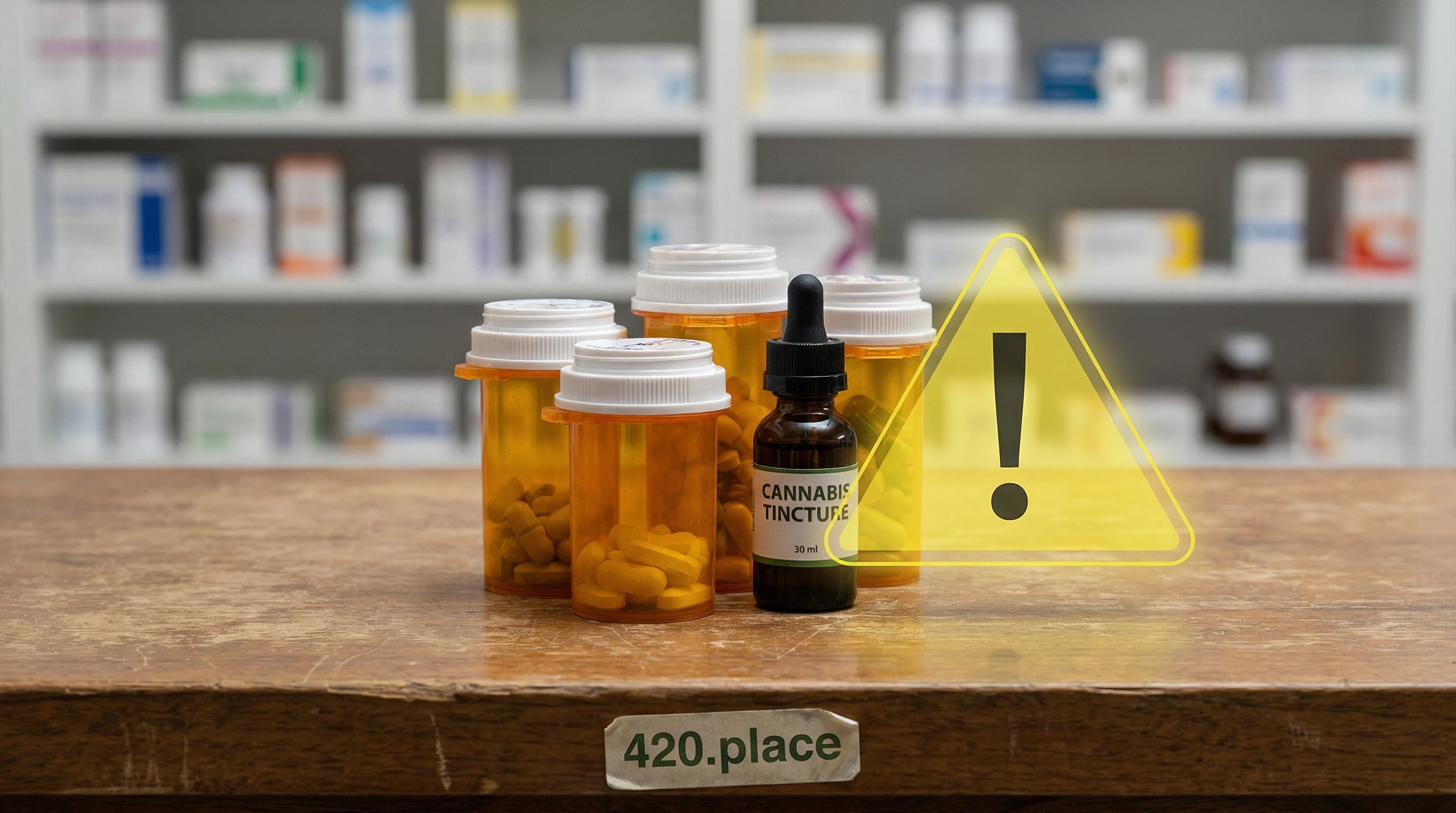
If you're taking prescription medications or have a complex medical history, discuss cannabis use with your primary care physician first. This is especially important for blood thinners, sedatives, or medications metabolized by the liver.
You're already ahead by researching this. Many people over 50 report better sleep and reduced pain within their first month of use. Trust your instinct--if traditional treatments aren't working, this may be worth exploring.
Related Reading
- Florida Medical Marijuana Card - State-specific guide
- New York Medical Marijuana Card - NY requirements
- What States Legalized Marijuana - Legal status by state
- Cannabis for Pain Relief - Common qualifying condition