Cannabis Oil Guide 2026: Safe and Practical Use
Cannabis oils are popular because they are discreet and easier to measure than flower.
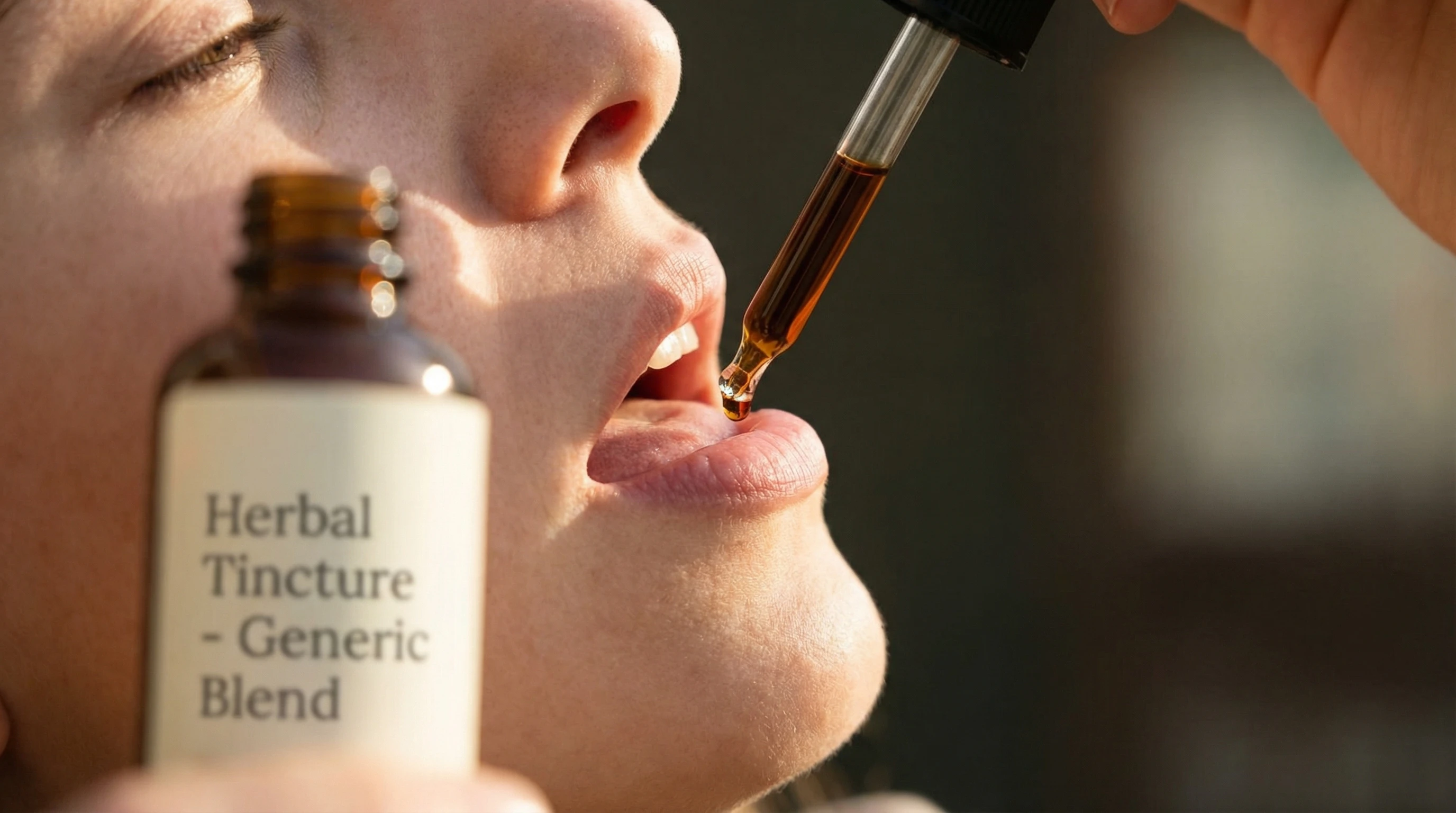
If you are asking about cannabis oil, the first thing is usually this: which cannabinoid, in what dose, and for which route.
What is usually meant by cannabis oil
Most people mean two broad categories:
- THC-rich oil
- CBD-rich oil
THC oil and CBD oil can look similar, but their effects and risks are different.
- THC oil is often linked with stronger psychoactive effects.
- CBD oil usually has less direct intoxication, but medical interactions still matter.
The same brand can still release different strengths per batch. That means lab labels and dose logs matter.
How cannabis oil enters the body
With oils, route changes the whole profile.
Sublingual use
Many tinctures are held under the tongue.
This can feel quicker than a purely digestive route.
Oral swallow route
Some people ingest oils by a spoon, tea mix, or capsule.
Onset can be slower and effects can last longer because the digestive pathway is active.
Inhaled route
Some products are meant for vaporization.
This can increase onset speed, and that can increase over-intensity risk if dose spacing is too short.
Practical dosing model
- Check full label and concentration. 2. Pick a low starting dose. 3. Wait for effects to stabilize. 4. Increase only after the full expected window.
A practical starter plan for many oil users is:
- start with the smallest labeled unit,
- log start time and milligrams,
- wait at least 90 minutes to 2 hours for clear feedback,
- do not stack early doses.
Because edible and swallowed oil paths are often slower than people expect, redosing too soon is the most common error.
CBD oil vs THC oil at a glance
| Type | Primary effect tendency | Typical caution |
|---|---|---|
| CBD oil | Less intoxication, more wellness-oriented use pattern | Drug interactions and product variability |
| THC oil | More psychoactive effects and higher impairment risk | Over-sedation, anxiety, and cognitive slowing |
| Mixed oil | Combination effects; route-dependent | Dose stacking and interaction complexity |
Interaction risks before use
Cannabis oil still interacts with medicines and medical states.
If you take blood thinners, anti-arrhythmics, sedatives, or antidepressants, get clinical review before regular use.
A clear rule:
- Do not change your medicine on your own.
- Track all doses in a short log.
- Pause use and get urgent advice if severe symptoms appear.
If your goal is pain support, oil use should be one part of care, not the only switch.
What to avoid on your first week
1) Assuming one milligram equals one milliliter
Oil labels can report different concentration styles.
Always compare concentration, not just bottle size.
2) Re-dosing without waiting
The biggest mistake is fast redosing.
If you are unsure, assume delayed onset and keep a strict window.
3) Ignoring device hygiene
If the product is delivered by drops or inhaler unit, clean and store according to manufacturer guidance.
Contamination risk is low when quality controls are followed, but still worth your attention.
4) Mixing with alcohol or unreviewed supplements
Mixing can amplify side effects and sedation.
Talk through this plan with your clinician if you combine products regularly.
Cross-border and travel context for oils
In the US, state rules define legal possession and allowed sources in practice.
In Canada, medical pathways are stronger for prescription-led access.
In Germany, pharmacy-based prescription frameworks remain central for medical cannabis access.
Do not assume a US bottle label gives legal transfer rights anywhere else.
Emergency signs that need action
Call emergency support if you have any of these after using oil:
- chest pain,
- fast irregular heartbeat,
- severe confusion,
- repeated vomiting,
- fainting,
- major breathing changes.
Related reading
- Cannabis Card 2026
- General Cannabis Guide
- Medical Card Overview
- Cannabis Drug Interactions 50+
- Cannabis Drug Interactions and Cardiovascular Risk
- CBD Oil in Australia
FAQ
Is cannabis oil stronger than smoking?
Often yes for perceived onset and dose control because oils can be more concentrated.
Can I take a second dose after 30 minutes?
Usually not. Wait longer than the typical 90-minute feedback window before considering redose.
Are CBD and THC oils interchangeable?
No. They are not interchangeable in effect profile, legal context, or dose strategy.
Can I use oils while traveling internationally?
No, not without separate legal checks for the destination country.
Sources
- NIDA: Marijuana and cannabis health effects (clinical effects, risk framing). Link
- NIDA: Cannabis research overview (health-effects and research context). Link
- NCBI Books: Marijuana and cannabinoids (pharmacology and route context). Link
- CDC: Cannabis poisoning and exposure risks (poisoning and exposure prevention context). Link
- PubMed: Systematic review on cannabinoid interactions (interaction signal context). Link
This article is educational and does not replace medical advice. Review any medical decisions with your clinician.
Operator review checklist
For "Cannabis Oil Guide 2026: Dosing, Safety, and Use", reconcile each material claim with the page's existing source record:
- confirm the jurisdiction or studied population, effective date, and applicability;
- distinguish direct support from inference or unresolved evidence;
- route legal, medical, medication, impairment, or dosing questions to a qualified reviewer.