Cannabis Anxiety Help 2026: A Safe Path from Immediate Calm to Better Long-Term Decisions
If cannabis increased your anxiety, the first mistake is usually confusion. The safer sequence is simpler: stabilize, measure, then decide.
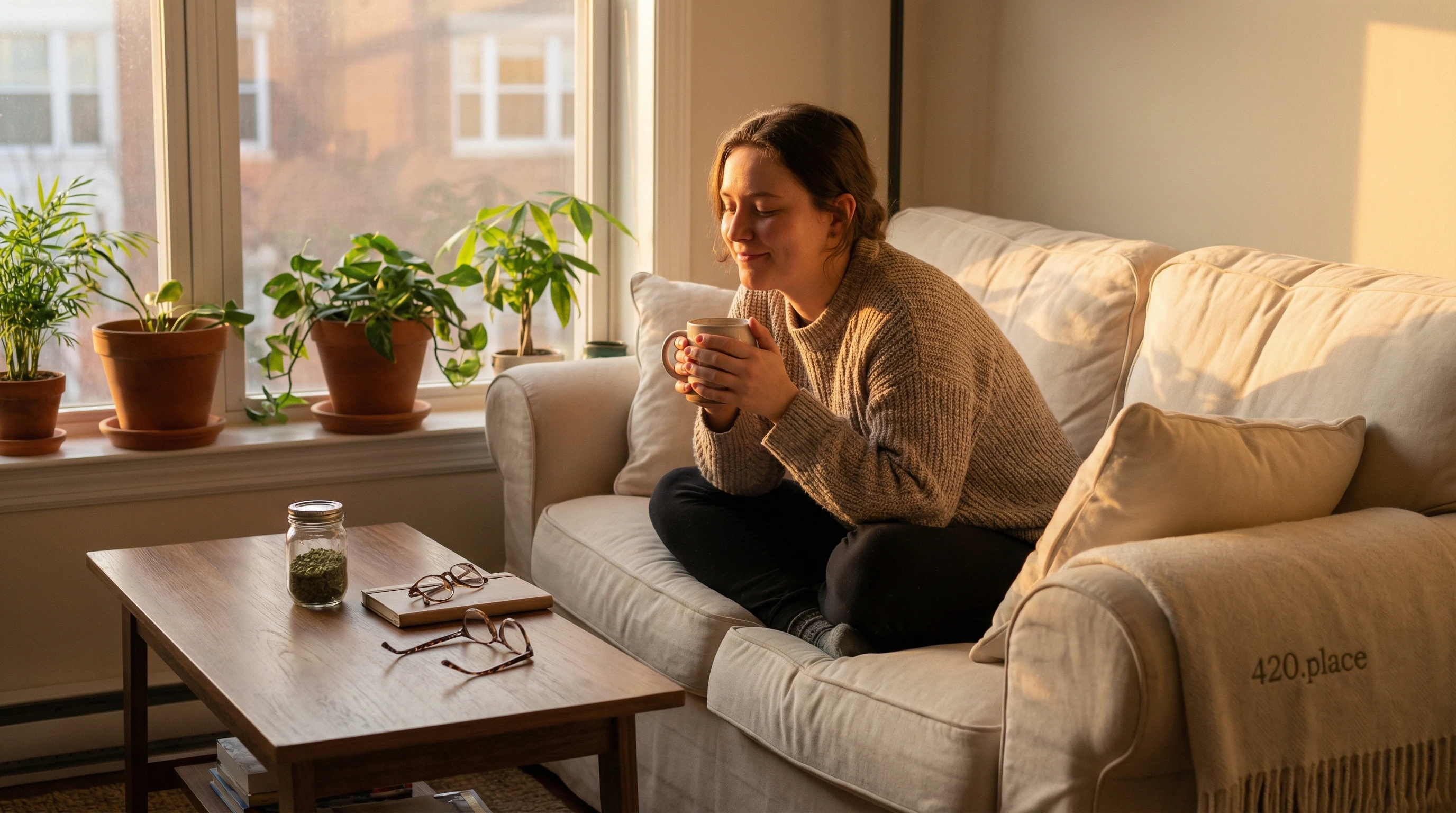
The first answer to a high-anxiety episode
If you feel scared, jittery, or physically flooded, act in this order:
- Stop using cannabis right away. 2. Choose a quiet position: sit with your back supported. 3. Keep lights dim and reduce noise for 20 minutes. 4. Use slow breathing for two minutes. 5. Drink water in small sips.
Avoid driving, climbing, and adding alcohol or sedatives for the next 24 hours.
If chest pain, confusion, severe tremor, blackout, or thoughts of harming yourself appear, seek urgent care now.
Why this happens
Cannabis anxiety is often dose-dependent, but not always dose-only:
- Oral products, especially gummies, can be delayed and variable.
- High-THC and multiple products in the same day increase unpredictability.
- Poor sleep, caffeine, and alcohol increase symptom intensity.
- Existing anxiety history raises risk of stronger spikes.
This is why many users feel fine on some nights and panicked on others.
Research summaries and federal health references consistently report mixed responses: some users find calm, while others report panic-like spikes with higher THC exposure.
How to help yourself this week
A calm two-step plan works better than a perfect plan.
Step 1: 72-hour reset
For three full days, pause cannabis and reset your nervous system.
Use this routine each day:
- 3 light meals with protein.
- 20-minute walk or light activity.
- 7+ hours of planned sleep window.
- No new doses.
If anxiety improves during this reset, you likely had a trigger pattern, not a permanent condition change.
Step 2: Low-dose re-entry test (only if stable)
If you want to test again, use one strict rule set:
- Use one single route only. 2. 3. Wait long enough for oral onset before changing dose. 4. Keep route, dose, and time window fixed for at least 4 sessions.
If anxiety returns, pause and restart Step 1.
14-day practical tracking method
Use this exact template:
- Day 0 baseline: anxiety score (0-10), sleep hours, caffeine intake, alcohol intake.
- Dose day: product, THC/CBD estimate, time taken, context.
- Follow-up checks: 60 min, 120 min, 240 min.
- Morning check: next-day sleep quality, appetite, and cognitive clarity.
After 14 days, review patterns on a spreadsheet or notes:
- Did anxiety peak despite very low dose?
- Did onset look delayed and stacky?
- Did sleep or stress context explain the worst episodes?
- Did any episode include severe red flags?
If this keeps happening, the safest move is a longer pause plus clinician review.
Red flags that require urgent support
Use this strict threshold list:
- Chest pain, severe shortness of breath, or faintness
- New hallucinations or loss of reality
- Persistent confusion, agitation, or disorientation
- Suicidal thoughts or urges
These are not "wait and watch" moments. Contact local emergency services promptly.
Medication, dose, and interaction note
Before using cannabis for anxiety support, review your current medicines. This includes sleep aids, pain medicines, antidepressants, anti-seizure medicines, and anticoagulants.
For high-risk combinations, ask for a clinician plan first. Cannabis may not be the best option even when anxiety seems to improve temporarily.
US, Canada, Germany practical context
United States
Public health references report mixed cannabis responses and variable individual sensitivity. Support systems are regional; local emergency pathways should guide urgent responses.
Canada
Canadian references also emphasize monitoring and individualized follow-up when anxiety appears linked to repeated use. If access is healthcare-linked, clinician review is often the safest route for ongoing use.
Germany
German federal frameworks use controlled medical access pathways, with stronger emphasis on professional oversight for treatment-linked use. For anxiety symptoms, this structure can reduce unsupervised trial-and-error.
Related reading
- Cannabis and Anxiety - broader risk framework and baseline decisions
- Cannabis Anxiety Attacks - immediate panic protocol
- Cannabis Anxiety Disorder - symptoms over time
- Cannabis Gummies for Anxiety - oral onset and dose controls
- Cannabis Overdose Facts - urgent response workflow
FAQ
What should I do in the first 10 minutes?
Pause use, stabilize posture, breathe slowly, and remove driving or risk tasks. If severe symptoms appear, seek urgent care.
Can anxiety improve and still be unsafe?
Yes. Relief can fade as THC rises or overlaps with stress and fatigue later. Track a full day before deciding to continue.
Should I go to zero cannabis immediately?
If panic repeats, a reset is usually the safest start. It helps separate trigger pattern from one-time reaction.
Is this article medical advice?
No. It is educational support and does not replace clinician care or emergency response guidance.