General Cannabis Gummies 2026: Safer Timing and First-Dose Rules
Gummies can be simple to use and difficult to estimate. The main reason they still cause problems is timing.
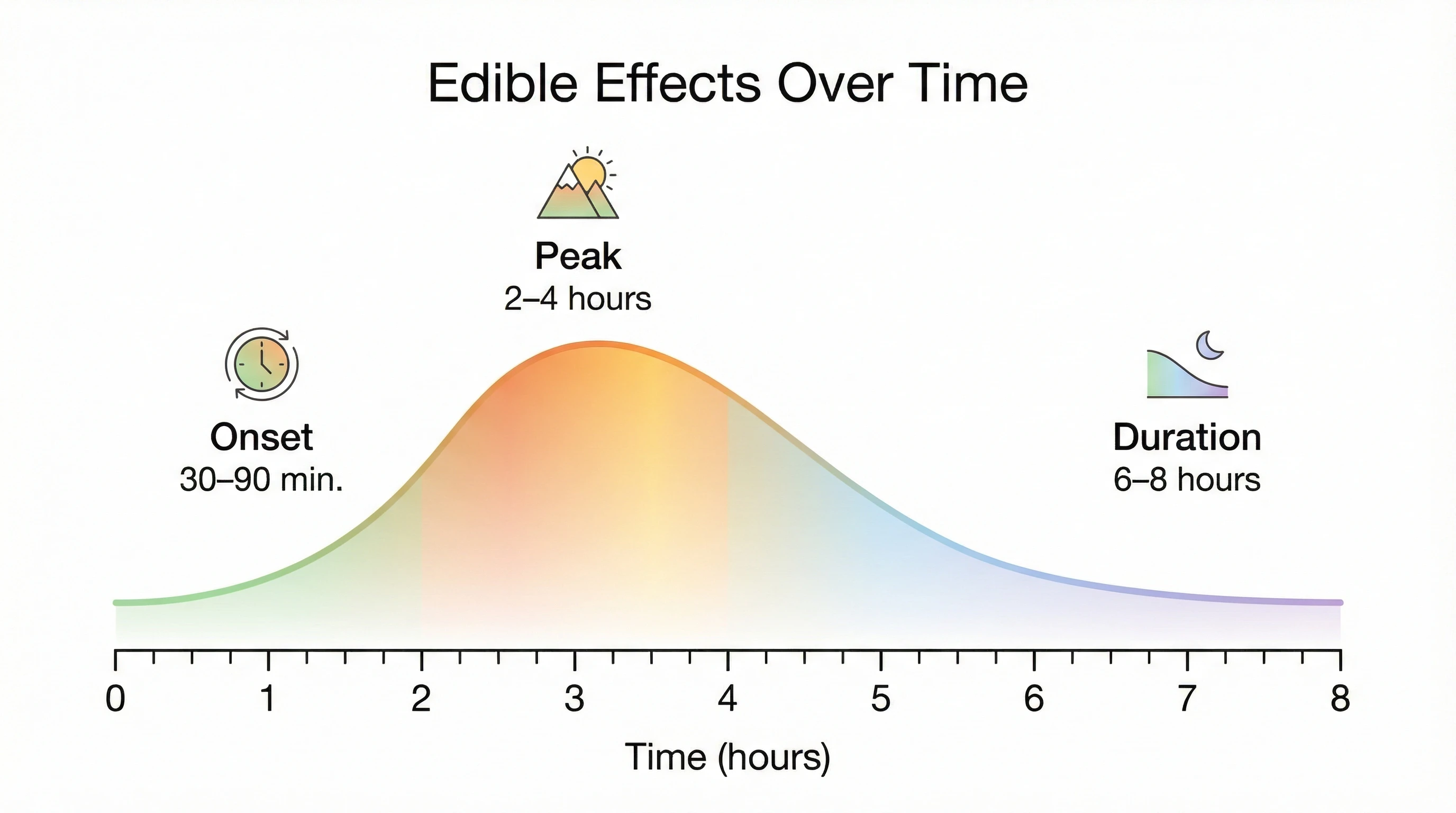
The effect often starts later than people expect, and late effects can appear when a second piece is already on the way.
Why gummies feel uncertain
Cannabis gummies use oral absorption. They do not behave like inhaled routes. Practical implications are clear:
- Onset can be delayed, so early signs are not reliable for dose decisions.
- Effects can build over hours, especially if meal timing changes absorption.
- Users often redose early before the first piece has fully reached peak effect.
If this happens, outcomes become hard to predict. A delayed pathway also makes accidental overexposure more likely.
Use this starter flow before any use:
1) Read the label like a dose contract
Only choose products with clear cannabinoid values. Your first pass is not about brand trust. It is about known quantities.
Use this exact order:
- THC per piece
- CBD per piece
- Number of pieces per package
- Packaging date
2) Pick one conservative start
If you are new to gummies or returning after a break, a conservative start is better than a convenient start.
If you have previous sensitivity, start lower.
3) Wait for expected onset
Do not add a second gummy before your expected window has passed.
A practical rule is: wait at least 90 to 120 minutes for the first test dose, and preferably up to 180 minutes before you decide anything changed.
If you feel unsure, wait longer. It is safer to be late than early.
A practical 14-day gummy protocol
If you want measurable results, treat this like a short protocol.
Day 1 to 3: stabilization days
- Keep only one product and one dose level.
- Use one route only: one gummy.
- Track the same intake time each day.
- No second dose in the first session.
Log:
- time started
- piece count
- THC/CBD values
- sleepiness, anxiety, and stomach symptoms at 90, 180, and 360 minutes
- next-day clarity
Day 4 to 7: repeat only if stable
Continue with the same dose if day-one responses are mild and controlled.
Do not adjust based on one data point. If red flags appear, do not wait for day 7. Stop, pause, and seek support.
Day 8 to 14: decision window
If day 1 to 7 was stable, you can keep one rule: measure before change.
- Keep dose unchanged
- Keep timing unchanged
- Stop after 14 days if desired outcomes are not clear
When to pause
Use a hard stop for any of these:
- chest pressure or chest pain
- strong palpitations
- confusion, severe anxiety, or hallucination-like experiences
- repeated vomiting
- any suspected child exposure
Child and home safety
Gummy shape and flavor create a household risk.
Use this simple setup:
- lock storage above eye level and out of snack zones
- keep products in original labels
- separate cannabis sweets from regular candy
- keep a written emergency plan where family members can find it fast
This is basic, but it prevents the highest-risk avoidable emergency.
Why country context still matters
The same gummy behavior does not mean the same legal pathway.
United States
Adult-use frameworks and minor access controls differ by state. For every purchase, check the state list for allowed sales channels and possession rules.
Canada
Canada uses strict legal channels for both medical and licensed product contexts. Route and source checks should come before use, especially where local health controls are tied to registration.
Germany
Germany follows prescription-led pathways in medical contexts. Medical oversight is much less casual than in state adult-use systems.
What makes gummies different from tincture or oil
You can think in one rule: gummies usually have a slower rise than sublingual products. That slower rise increases uncertainty for early re-dosing.
If you cannot wait the first 2-hour window, gummies are often not the right route for that moment.
Keep-learning links
- General cannabis edibles overview
- General cannabis gummies start guide for anxiety
- Cannabis edibles for sleep
- Cannabis detection timing
- General cannabis baseline
*Educational content only. This is not medical advice and does not replace urgent care when red flags are present.