Germany Home-Grow Cannabis Rules for Adults: Three-Plant Limit
This summary covers private adult-use cultivation under Germany's KCanG, checked 24 September 2026. It does not cover commercial production, cannabis associations, or medical cannabis.
Who may grow and where
KCanG §9(1) allows a person who has turned 18 to privately grow cannabis at that person's residence or usual abode within the law's scope. The permission is for private cultivation, not a general business or public-growing authorization.
Plant and possession limits
The limit is no more than three cannabis plants at one time. Section 3 separately permits an adult up to 50 g dried cannabis at the residence or usual abode and up to 25 g for personal use away from home, with a combined possession ceiling of 50 g. Do not treat the three-plant count as an exception to the possession limits.
Keep plants and material secure
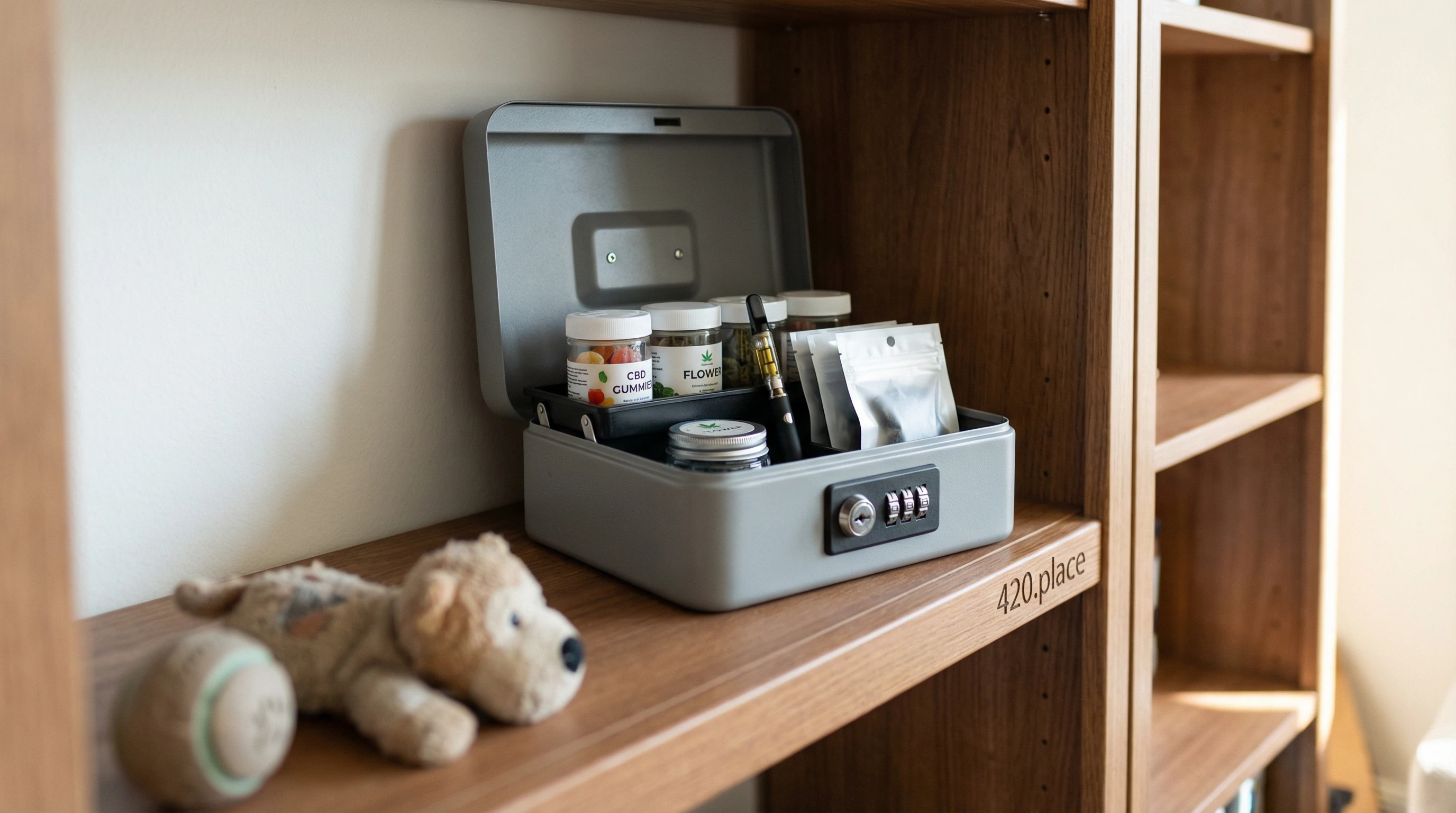
Section 10 requires suitable measures and security precautions at the residence or usual abode to protect cannabis and propagation material from access by third parties, especially children and adolescents. The statute does not give a one-size-fits-all lock or room design; choose measures that meet the actual access risk.
Seeds, sharing, and other limits
Cannabis from private cultivation may not be passed to another person under §9(2). Under §4(2), importing seeds for private cultivation is permitted only from EU member states. That narrow seed rule is not permission to bring cannabis itself across a border.
For the distinct travel and border rules, see Germany Cannabis Travel Rules.
Quick FAQ
How many plants may an adult grow at home?
KCanG §9 permits no more than three plants at one time for private cultivation at the adult's residence or usual abode.
Can I give home-grown cannabis to a friend?
No. Section 9(2) says cannabis from private cultivation may not be transferred to others.
Is storing plants away from children recommended or required?
Section 10 requires suitable measures to protect cannabis and propagation material from third-party access, especially children and adolescents.